The Kettle That Came Back: A Slow Saturday Among the Menders
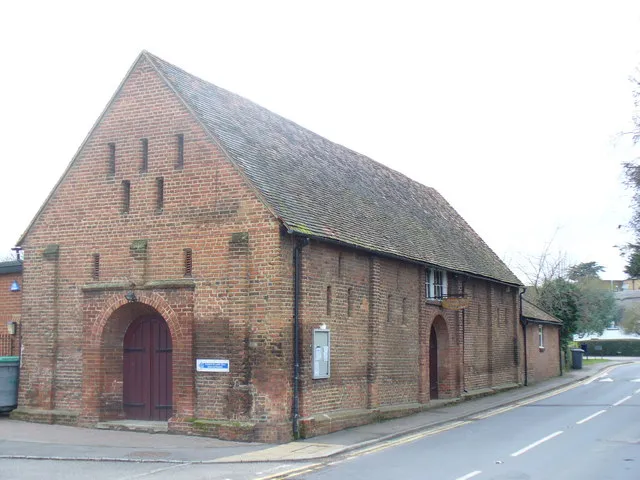
On a wet Saturday in November, the queue starts before the doors do. People stand under the porch of a church annexe with carrier bags at their feet and kettles in their arms. One man has brought a lamp with a taped flex. A woman is holding a toaster as though it were a small, sulking pet. Nobody looks particularly worthy of a documentary. They look like people who have decided, for one morning, not to throw something away.
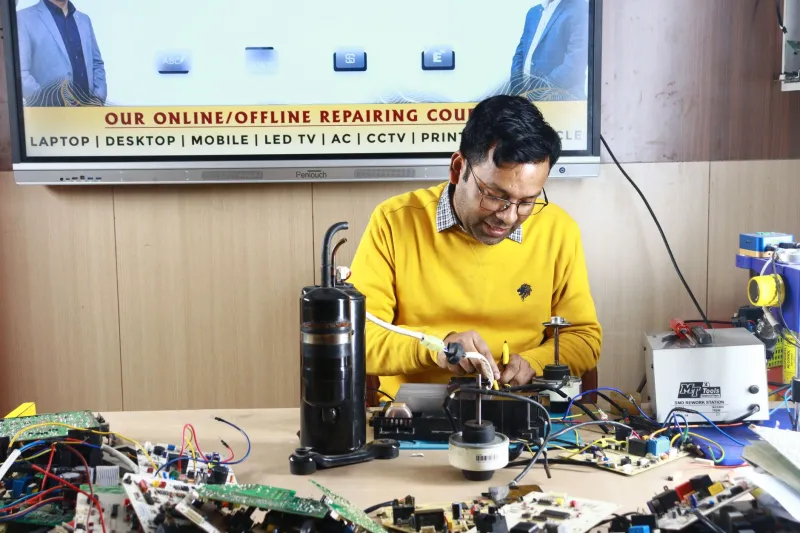
Inside, a tea urn is doing its slow, gurgling work. Volunteers in aprons are setting out screwdrivers, multimeters, little jars of fuses and the kind of biscuit tin that seems to appear wherever community spirit is officially required. A clipboard is passed round. Numbers are given out. And then comes the part that no one advertises: the waiting.
The queue is the point
A repair café is not a shop. There is no till, no upsell, no loyalty card. You turn up with something that has stopped working, and you join a queue of other people with their own stopped things. The wait is not a design flaw. It is the whole atmosphere.
In a normal transaction, waiting is failure. In a repair café, waiting is where the morning happens. You sit down next to someone whose radio has lost its voice. You compare notes on when the toaster started smoking. A teenager with headphones round his neck admits he has never used a soldering iron. A retired engineer tells him to hold the wire steady, not to squeeze it. Nobody is being examined. Nobody is being sold anything.
The room is full of strangers, but not in the cold way of a train platform. It is a low-stakes, intergenerational sort of company. Retired people, students, parents with children, someone who has come mainly for the tea and stayed for the company. You do not need to be good at small talk. The broken object does the introductions.
What happens at the table
At the front, a volunteer looks at the item and asks what it is doing, or not doing. Sometimes the fault is obvious: a frayed lead, a blown fuse, a loose connection. Sometimes it is a mystery. Sometimes the answer is no. A repair café is honest about limits. Safety comes first. Some items cannot be opened safely, some parts are no longer made, and some appliances are simply beyond the morning’s patience.
But even a no can be useful. You leave knowing more than you did when you arrived. You may learn that the part costs more than the item is worth, or that the fault is not where you thought it was. You may be told to take it to a specialist, or to bring it back next month with a replacement switch. You may simply be given permission to let it go.
When something is fixed, there is a small, quiet cheer. Not a triumph. More of a nod. The kettle boils again. The lamp comes back on. The toaster pops. Someone says, ‘Well, that’s saved me buying another one,’ and everyone in the queue understands exactly what they mean.
Why a toaster is worth a morning
It is easy to feel that small appliances are disposable. They are cheap, they are everywhere, and they are designed with a certain lack of encouragement when it comes to opening them up. But the things we use every day carry a strange amount of life in them. The kettle that has boiled for every early shift. The lamp that has lit a child’s homework. The toaster that was a housewarming present and has never quite matched the kitchen.
Repairing them is not only about saving money, though it is often about that too. It is about refusing the idea that a small fault should end a useful object’s life. It is about keeping materials out of the waste stream and skills in the room. It is about the quiet satisfaction of seeing how something works, even if you only watch.
The wider world has been talking more about repair and the right to fix things, and that is welcome. But the repair café does not feel like a campaign. It feels like a Saturday morning. It feels like a room where the answer to ‘Can this be saved?’ is ‘Let’s have a look.’
How to find your nearest session
They are not always called repair cafés. Some run under the umbrella of a local transition group, a library, a church, a community centre or a men’s shed. The Repair Café Foundation keeps a map of sessions, and the Restart Project is another good place to look for repair events and advice. A search for ‘repair café near me’ plus your town is a reasonable start, but the local library noticeboard, the parish newsletter and the community fridge noticeboard are often just as reliable.
Many sessions run monthly or every few weeks, often on a Saturday morning. Some ask you to book a slot in advance; others work on a first-come, first-served basis. Check the rules before you go. Some can only take small electricals, some welcome bikes and textiles, and some have a strict list of things they cannot touch. Microwaves, for example, are often excluded for safety reasons.
What to bring, and what to leave at home
Bring the item itself, of course, but also bring the lead or plug if it is separate. Bring any spare parts you already have: a new fuse, a replacement plug, a knob that fell off. If you have the manual, bring it. If you know what you were doing when it stopped working, be ready to describe it. ‘It made a pop and then nothing’ is genuinely useful information.
Bring patience. The volunteer may need to open the item, test it, think, consult someone else, and try again. Stay with your item if you can. Half the value is in watching. And leave at home anything that is leaking, smoking, cracked in a dangerous way, or clearly beyond a safe morning’s work. If in doubt, ask the organisers first.
The small utopia of a second chance
The morning ends the way these mornings do: a few successful repairs, a few maybes, a few things carried home for another try. The tea urn is switched off. The biscuit tin is empty. Someone is folding the tablecloth. Outside, the rain has stopped, and people drift away with their kettles and lamps and toasters, not quite the same as when they arrived.
The repair café is not a grand solution to anything. It will not fix the whole disposable world in one Saturday. But it is a small, practical utopia: a room where strangers help each other, where waiting is not wasted, and where the first question is not ‘What shall we replace it with?’ but ‘Let’s see if we can keep it.’ That is worth a queue on a wet November morning.