Cork, String and Blue Tack: The Noticeboard as a Slow Feed
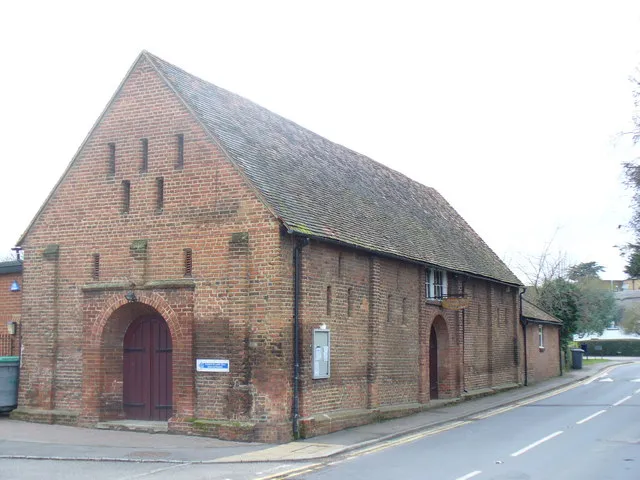
Photo: Colin Smith, CC BY-SA 2.0, via Wikimedia Commons
On a damp Tuesday in November 2026, the noticeboard outside the post office is doing what it always does: holding the village together with blue tack and string. There is a lost cat called Mabel, mostly grey, who answers to biscuits. There is a yoga class in the church hall, a church fête planning meeting, a parish council notice about bins, and a handwritten card offering free apples from a tree that has clearly overperformed. None of it is urgent. All of it is local. And somehow, that is the point.
A feed that refreshes at human speed
We are used to feeds that never end. They refresh before we have finished reading, they learn what we linger on, and they decide what we should see next. The noticeboard does none of this. It cannot personalise, target or rank. It has no idea who you are. It simply holds what the neighbourhood has decided to pin up, in the order it arrived, until someone takes it down or the rain gets to it.
In 2026, when so much local life has slipped into closed groups and apps, the board is one of the few places where information is public by default. You do not need to join anything to read it. You do not need a login, a profile or a smartphone. You just need to stand still for a minute, in the cold, and look.
That is a slower kind of connection, and a kinder one. It does not demand a reaction. It does not count likes. It just says: this is happening, this is available, this is someone's small news. Take it or leave it.
The small theatre of pinning something up
There is a quiet optimism in pinning up a notice of your own. It assumes that someone will read it. It assumes that a stranger might be interested in a seed swap, a borrowed ladder, a chair that needs repairing, a walking buddy for dark evenings, or a knitting circle that meets on the first Thursday of the month. It is a small bet on the idea that local attention still exists.
You do not need a brand, a website or a matching font. A sheet of A5, a legible pen and a bit of honesty will do. "Free apples, please take some" is a complete piece of communication. So is "Can anyone recommend a good plumber?" or "Would anyone like to join a Saturday morning litter pick?" The board does not ask for followers. It asks for a small, clear claim on local attention.
If you have ever wanted to do something in your area but felt awkward about starting, the noticeboard is a low-stakes place to begin. You are not launching a movement. You are putting up a piece of paper. That is a very Simply Utopia kind of first step.
Read the wall, not just the headline
Most of us walk past these boards every day. We might glance at the lost cat, then keep going. But the board rewards a slower look. Notice what repeats. Notice what has been up for months. Notice the handwritten additions at the bottom of a printed poster, the phone number with a tear-off strip, the church fête date that has been corrected in biro.
The board is a mood ring for the area. A cluster of baby and toddler groups tells you something. So does a notice about a food bank collection, or a poster for a community choir, or a card advertising a bereavement café. These are not headline events, but they are the texture of a place. They tell you what people are trying to build, and what they are trying to hold together.
You may not go to the fête. You may never join the yoga class. But knowing they exist makes the street feel less like a set of separate front doors and more like a place with a pulse. That is worth a minute of your time.
A modest utopia, with tea stains
The noticeboard is not perfect. It is often rain-curled, out of date and held together with sad staples. Someone has to take responsibility for clearing it. Some notices are badly designed. Some are badly spelled. Some are simply sad. But it is democratic in a quiet way, and it is public in a way that so much of modern life is not.
A small utopia does not have to be a perfect village green or a beautifully curated community hub. Sometimes it is a cork tile by the door, covered in other people's small hopes and practical offers. It asks nothing of you except a glance. If you have something to offer, it asks only that you pin it up and trust that someone will read it.
This week, have a proper look at the board near you. Read a poster all the way to the bottom. Take a photo of the fête date. If you have been meaning to start something small, make a notice and pin it up. It may be the most optimistic thing you do all week, and it will cost you one sheet of paper and a bit of blue tack.