A Seat Upstairs, a Street Unspooled: The Case for Catching the Bus That Takes Longer
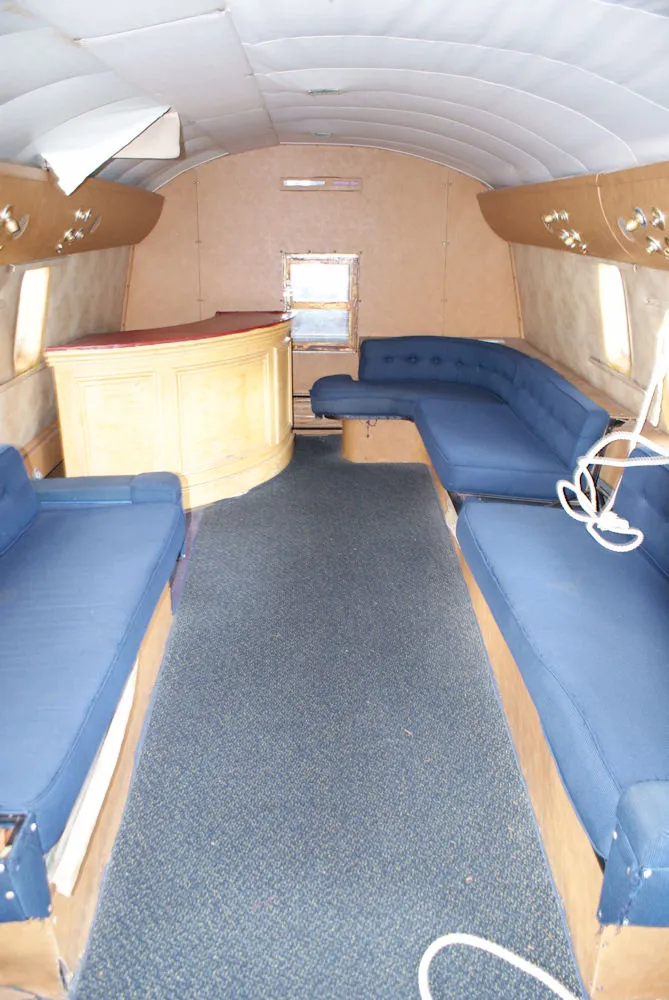
Photo: Valder137, CC BY 2.0, via Wikimedia Commons
On a damp Tuesday afternoon in November 2026, two buses arrived at the stop at almost the same moment. The first was the quick one: the 7, which cuts along the ring road and gets you into town in twelve minutes if the lights behave. The second was the 24, which loops past the retail park, the hospital, a church with a leaning noticeboard and the long stretch of allotments where someone has built a shed that looks like a tiny house. I let the 7 go. I got on the 24.
The decision was not heroic. I had no appointment to miss and no pie cooling on a windowsill. I had simply begun to suspect that the fastest way home had become a habit rather than a choice. Small utopian ideas rarely arrive with trumpets. Sometimes they arrive with a timetable.
The bus that stops for everything
The 24 is not efficient. It waits for a woman in a raincoat who has misjudged the gap between the pavement and the kerb. It pauses at a stop where nobody appears, then lets on a teenager with a cello. It takes the long way round a roundabout for reasons that remain mysterious. On paper, this is a flaw. In practice, it is an education in how many small lives fit into one ordinary street.
A fast bus asks you to endure the journey. A slow bus asks you to notice it. The difference is not really about speed. It is about attention.
What the top deck edits in
Upstairs, the street becomes a sequence rather than a blur. You see over hedges into back gardens where trampolines sit under apple trees. You see the rooflines change from slate to tile to the flat felt of a 1970s extension. You see a man in a shed doing something careful with a vice, and a row of chimneys that lean at slightly different angles, as if the town were still deciding which way to face.
From the top deck, the everyday becomes a moving exhibition. The bus is not taking you away from your life; it is showing you the edges of it. There is a particular calm in that. You are enclosed, warm, slightly above the pavement, and free from the quiet pressure to be doing something useful.
Three small prompts for your next slow bus
If you try this, do not turn it into a project. Choose one prompt and let the rest happen.
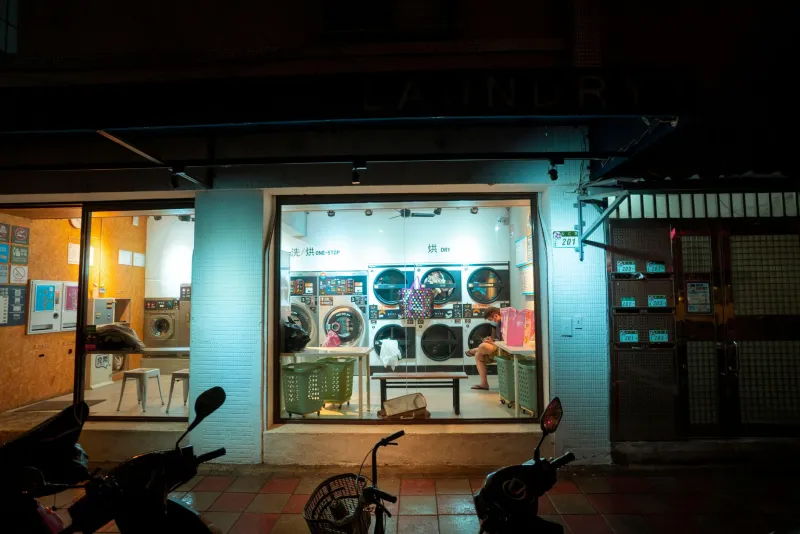
- Pick a landmark you have passed a hundred times — a war memorial, a launderette sign, a tree that looks like it is mid-thought — and watch for the moment it disappears from view.
- Notice where the architecture changes. Towns are made of seams: the old high street, the new estate, the gap where a garage used to be.
- Watch who gets on. Not in a nosy way. Just gently. The pushchair, the shopping trolley, the folded newspaper, the wet umbrella. A bus is a small census of the day.
None of these are achievements. That is the point. They are ways of letting an ordinary afternoon be wider than it was.
The case against the fastest way home
This is not an argument against trains, cars or walking briskly. Some days need the fast route, and there is no virtue in pretending otherwise. It is an argument against letting speed make every decision by default.
The quick way home is often the narrowest. It gets you from A to B with the least friction, which also means the least texture. The slow bus takes the long way round and, in doing so, restores a certain width to the afternoon. It gives you back the bit of the day that usually gets edited out.
There is a small utopian idea here, and it is not about buses at all. It is about refusing the idea that every journey is a gap between more important things. A street is not just a corridor. A Tuesday is not just a countdown to Wednesday.
Getting off one stop early
On my ride, I got off one stop before my usual stop. It was still raining, but only in that half-hearted way that November rain often has. I walked the last seven minutes past a bakery closing up, a bench with a forgotten glove on it, and a front garden where someone had left a pumpkin out long past its best.
The bus had done the work of unhurried seeing. The walk did the rest.
If you have a route like the 24 near you — the one that stops for everything and takes the scenic way through the retail park — give it an afternoon. Sit upstairs. Let the streets unspool. You may arrive a little later than you meant to, but you will have spent the time rather than simply saved it.