The Bread They Save Without Asking: A Quiet Case for the Shop at the End of the Road
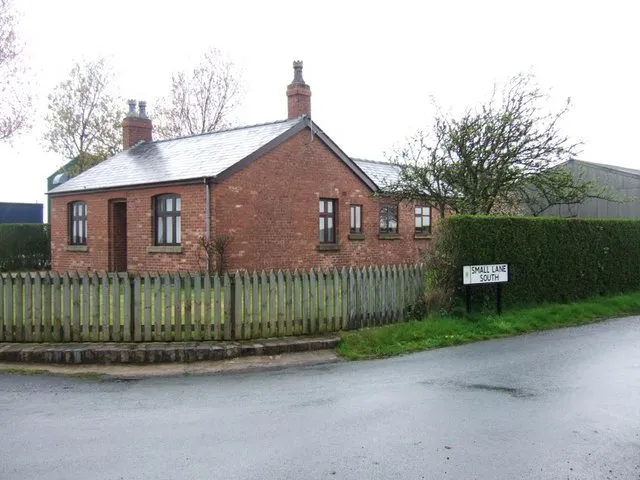
Photo: Bryan Pready, CC BY-SA 2.0, via Wikimedia Commons
Every street has an edge, and at the edge there is usually a shop. If you are lucky, it is the kind of shop that opens early and closes late and sells almost everything except the thing you went in for. The corner shop is not quaint. It is fluorescent-lit and slightly too warm and the fridge hums. It is also one of the most ordinary forms of everyday utopia we have left.
This is not a nostalgia piece. The corner shop does not need defending as a relic. It needs using as a present-tense place. A shop at the end of the road is not a postcard. It is a working room with a till, a paper rack and a person who may or may not know your name.
The small errand is not small
Buying a loaf of bread is not a transaction of great consequence. That is the point. Most of the things that make a street feel human are not consequential. They are brief, low-stakes and repeated.
The shop knows your bread in the sense that it knows the shape of a week. It knows that the milk goes quickly on a Sunday. It knows that someone on the street buys the same paper every morning. It knows that the school run happens at ten past eight. This is not surveillance. It is familiarity, the ordinary kind that comes from being in the same place at the same time.
A street with a shop has a pulse. There is a light on at seven in the morning and a light on at nine at night. There is somewhere to leave a parcel, buy a pint of milk, top up a phone, pick up a local paper, ask if the bus is running. These are small infrastructures of daily life, and they are easy to miss until they are gone.
The exchange at the counter is brief. 'Morning.' 'Cold one.' 'The usual?' It does not need to be more than that. In a city, anonymity is comfortable. But recognition is a nutrient. A five-minute visit can make a street feel less like a corridor and more like a place where people live.
Familiarity without nostalgia
None of this requires the shop to be old. It does not require the owner to have been there for forty years, or the shelves to be arranged in a way that reminds you of your childhood. New shops, new families, new signage: all fine. The point is not the past. The point is the present tense of a place.
Nostalgia would turn the corner shop into a museum piece. It would make it fragile, something to be preserved rather than used. The shop is better as a working room. It can be expensive. It can be limited. It can be messy. It is not a substitute for a supermarket shop or a food strategy. But it is a thread in the neighbourhood, and threads are what hold a place together.
There is also a version of this argument that turns into a guilt trip, and that is not the aim here. Not everyone can afford to shop little and often. Not every corner shop is good. Not every street has one. The case for the shop at the end of the road is not a case against the big shop. It is a case for not treating the small shop as invisible.
Use it on purpose
Intentional use is a quiet thing. You do not have to abandon the weekly supermarket order. You do not have to become the person who buys everything in brown paper. Just notice the shop. Walk to it for the one thing you forgot. Buy the bread there once a week. Say thank you. Learn a name if it is offered. Do not treat it as a museum; buy something.
If you are new to the area, the corner shop is often the first place that gives you a sense of the street. It is where you find out which bin day is actually happening, which bus is reliable, and whether the park is worth the walk. It is a small civic room, and like any civic room, it works better when people use it.
A five-minute visit, repeated, becomes a relationship with place. Not a friendship, necessarily. Not a community project. Just a thread. You nod at the person behind the counter. They nod back. The street becomes slightly more legible.
The utopia is the ordinary
Utopia is a loaded word. It suggests perfection, and perfection is not what this is. The small utopia is different. It is a place where the ordinary is allowed to be pleasant. Where a loaf of bread is not just a loaf of bread but a small reason to leave the house and speak to someone.
The corner shop will not fix loneliness. It will not save the high street on its own. It will not make November light. But it is one of the few rooms left where you can be a regular without joining anything. That is a quiet kind of wealth.
So go for one thing. Say good morning. Notice the bread. The end of the road is not the edge of the world. It is where the world gets a bit more local.