The Warmth Between the Shelves: A Winter Case for the Local Library
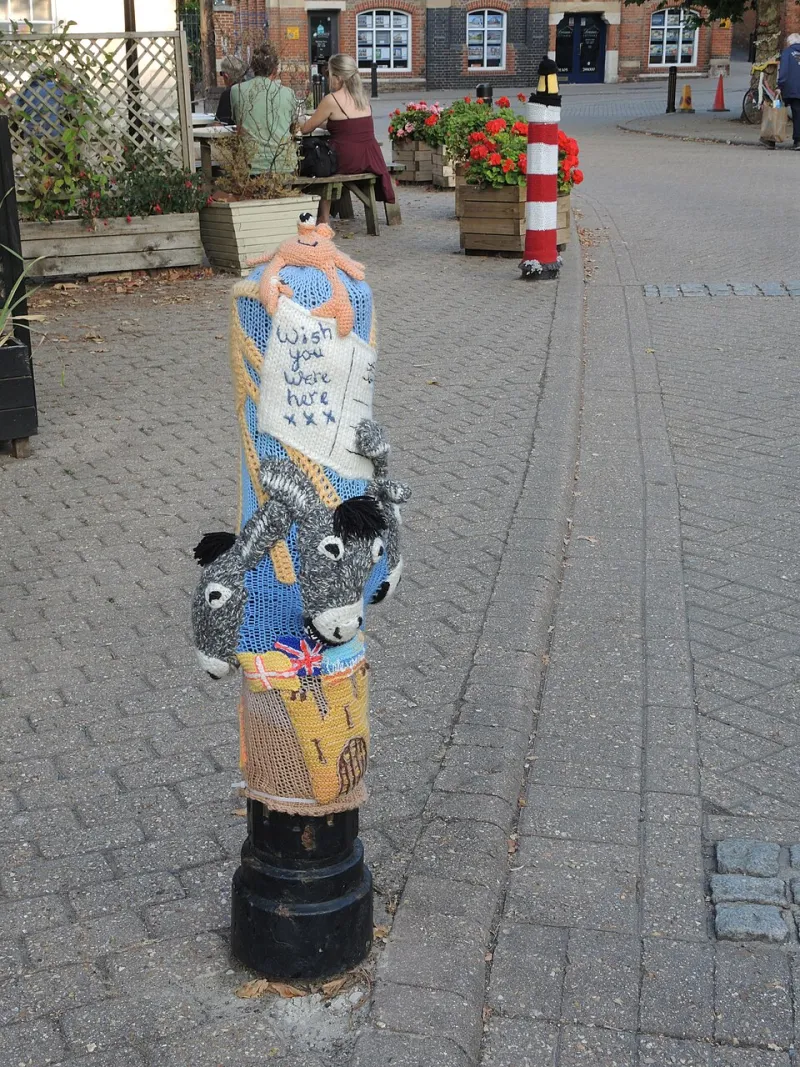
Photo: Neil Owen , CC BY-SA 2.0, via Wikimedia Commons
There is a particular kind of November light that makes the high street look tired by three in the afternoon. The cafés are full of people nursing one drink, the bus shelter smells of wet coats, and every shop window seems to be asking for something. Then you push open the library door and the air changes. It is warmer than you expected. Someone is returning a stack of crime novels. A child is explaining, very seriously, why a picture book about a bear is better than a picture book about a train. Nobody is trying to sell you anything.
That is the beginning of the small utopia, really. Not a grand vision of perfect society, but a room where you are allowed to exist at no cost and with no performance.
A room that asks nothing of you
Libraries have always been practical places. They lend books, provide computers, host rhyme times and help people print forms they cannot print at home. But in winter they do something else too. They offer shelter from the weather and from the pressure to be productive somewhere else.
You can sit in a library for twenty minutes and achieve nothing measurable. You can read the first page of three books and put them back. You can look at the local history shelf and learn the old name of a road you walk down every week. You can watch the returns trolley fill up and feel, oddly, that the world is still turning in an orderly way.
This is not the same as being told to use your library more efficiently. It is not a challenge to read fifty books before spring. It is closer to the opposite: a place where the point is to stop treating every hour as an investment.
The quiet work of noticing
The best way to use a winter library is not to plan it too carefully. Check the opening hours, put on a coat, and go. Take nothing with you except perhaps a notebook if you are the sort of person who feels lost without one. Leave your phone in your pocket for the first ten minutes.
Find a chair that is not directly under a fluorescent strip light. Notice the radiator, the noticeboard, the slightly crooked poster about a coffee morning. Libraries are full of small evidence that other people live nearby: a missing cat notice, a chess club flyer, a leaflet for a bereavement group, a hand-written sign explaining that the lift is temperamental.
If you want to borrow something, borrow one thing. Not a stack that becomes a moral obligation. One book, chosen because the cover caught your eye or because the title made you smile. Reading it is not the assignment. Carrying it home is enough for one day.
The calm already on your high street
We often talk about high streets as if they are either thriving or dying, with nothing in between. The library sits in that in-between space, quietly doing its work. It may share a building with a council office. It may be in a former chapel or a modern glass box beside the bus stop. It may have reduced hours and a box for food bank donations by the door. It is not perfect, because nothing on a real high street is.
But it is still a room you can enter without buying a coffee. That matters more than we sometimes admit. In a winter when everything seems to cost something, free warmth is a form of civic kindness. It is also a form of slowness. The library runs on a different clock from the rest of the street: opening time, closing time, the rhythm of returns and reservations, the slow circulation of books between neighbours.
A small ritual, not a project
You do not need to become a library champion to enjoy this. You do not need to volunteer, though you can if you want to. You do not need to write a list of books you ought to read. A simple ritual is enough: one visit a week, or one visit a fortnight, at roughly the same time. Stay for twenty minutes. Sit somewhere different. Read a page. Look out of the window at the people passing.
If the library has a warm room or a quiet hour advertised, go along. If it does not, make your own quiet hour by choosing a corner and giving yourself permission to be there. The small utopia is not in the building itself, exactly. It is in the agreement we make with each other that such places should exist: warm, open, unhurried, and free.
When you leave, the high street will still be cold. But you will have spent half an hour somewhere that asked nothing of you except that you turn up. In November, that is no small thing.